‘Something Just Doesn’t Feel Right’ And You’re Not Wrong to Wonder
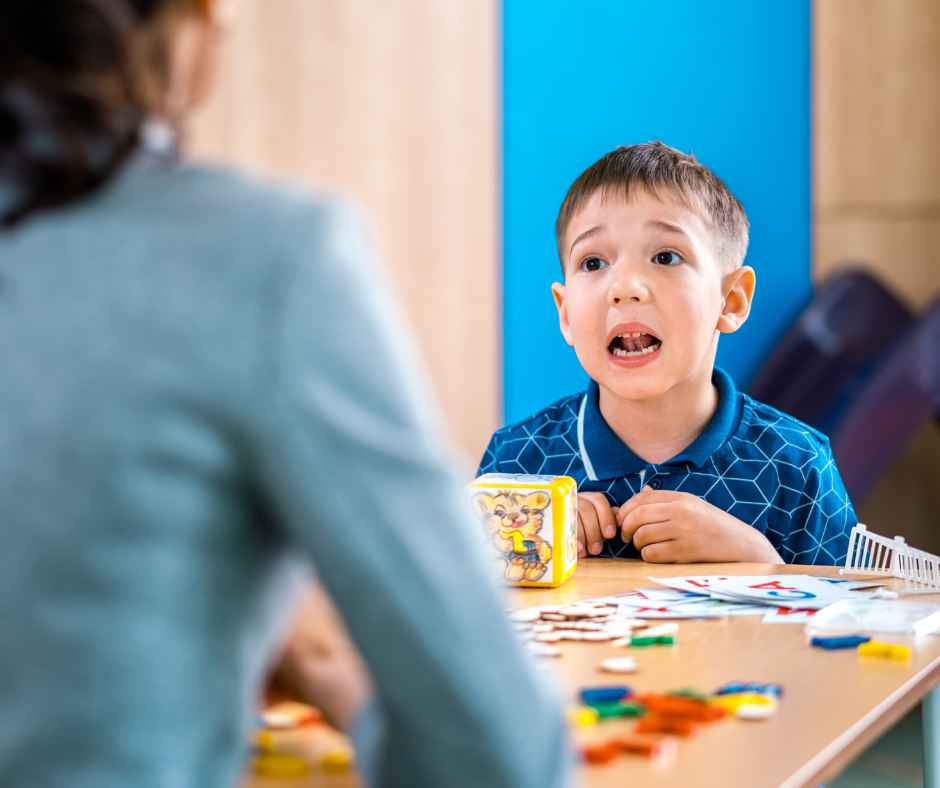
A mum from Oud Metha recently shared something that many parents quietly carry alone. Her daughter was 26 months old. She could point to exactly what she wanted, follow every instruction, and light up the room with her smile but she had fewer than 10 words. No real sentences. No ‘mama’, ‘juice’, ‘more.’ Just pointing, pulling, and big, frustrated tears when nobody understood.
Her nursery hadn’t flagged anything. Her mother-in-law kept saying ‘give it time, she’s just like her father.’ Her husband felt they should wait a little longer. But something in her gut wouldn’t settle.
That feeling that quiet, persistent nudge is one of the most common things parents bring to us at Esperanza. And more often than not, that instinct is worth listening to.
If you’ve found yourself Googling ‘my 2-year-old isn’t talking’ at 11pm while your toddler sleeps, this guide is written for you. Click Here to check our Google my business profile
First – Your Concern Is Valid, and So Is Your Instinct
Speech and language worries are the number one developmental concern that parents of children under five raise with health professionals globally. In Dubai specifically, where families juggle busy schedules, multilingual home environments, and the added pressure of nursery milestones, the questions come even earlier.
Whether you’re a working family near Trade Centre or Sheikh Zayed Road fitting in therapy around long commutes, or an expat family in Al Jaddaf navigating a new city and a new school system the concern you’re feeling is completely normal. You’re not overthinking it. You’re paying attention. And paying attention early is the single most powerful thing a parent can do.
So What Might Be Going On? Understanding Speech Delay in Simple Terms
Not all children who are late to talk have a speech delay in the clinical sense. There’s actually an important distinction between a ‘late talker’ a child who is developing typically in all other areas but speaking fewer words than expected and a child who may benefit from early speech and language support.
Here’s a simple breakdown of what typical speech milestones look like:
| Age | Typical Milestones | Worth Exploring If… |
| 12 months | First words emerging (mama, dada). Responds to name. | No babbling or response to their name. |
| 18 months | 6–20 words. Points to show interest. Understands simple instructions. | Fewer than 6 words. Not pointing. Not following simple instructions. |
| 24 months | 50+ words. Starting to combine two words (more juice, daddy go). | Fewer than 50 words. No two-word combinations. Strangers can’t understand them. |
| 36 months | Short sentences of 3–4 words. Familiar adults understand most of what they say. | Speech largely unclear. Struggling to follow 2-step instructions. Not asking questions. |
If your child isn’t quite hitting those markers, it doesn’t automatically mean something is wrong — but it does mean a conversation with a specialist is a wise, proactive step.
Quick Answers to the Questions Dubai Parents Ask Most
| Is it normal for a 2-year-old not to talk? Some children are naturally ‘late talkers’ and catch up on their own. However, if your 2-year-old has fewer than 50 words and isn’t yet combining two words together, it’s worth speaking to a speech and language therapist. Early assessment even if everything turns out to be fine is always a positive step. |
| Does growing up bilingual cause speech delay? No — bilingualism does not cause speech delay. Children raised in multilingual homes may take slightly longer to establish vocabulary in each language, but their total word count across all languages should still fall within typical ranges. If you’re concerned, count words across both languages. And remember: being bilingual is a significant cognitive advantage. |
| What is the difference between a late talker and a speech delay? A late talker typically has typical development in all other areas — understanding, social connection, play — but fewer words than expected for their age. A speech delay may involve broader differences in communication. A specialist assessment helps identify which is which, and what support (if any) is needed. |
Why Acting Early Really Does Make a Difference
The research on early intervention in speech and language development is clear and consistent: the earlier support begins, the better the outcomes. This is because the first three years of life represent a period of extraordinary brain development the neural pathways that support language learning are forming rapidly, and they respond best to targeted support during this window.
Early support doesn’t mean emergency. It means being proactive rather than reactive. Many families come to Esperanza for a single assessment session not because anything is definitively wrong, but because they want to understand what they’re seeing. That clarity alone can be transformative.
For children who do benefit from therapy, starting at two rather than four can mean the difference between needing six weeks of support and needing six months.
| Book an Assessment – Click Here |
Things You Can Do at Home Right Now
Therapy is powerful but what happens at home between sessions matters just as much. Here are some evidence-based strategies that speech and language therapists recommend for supporting communication at home:
| Language-Rich Activities Follow your child’s lead comment on what they’re looking at, not what you want them to look at Narrate your daily routine simply: ‘Now we’re washing hands. Water on, soap on, rub rub rub’ read together every day pause, point, and wait for your child to respond before turning the page. Reduce screen time during the early years face-to-face interaction is irreplaceable for language development | Communication Strategies Expand what they say: if they say ‘ball’, you say ‘yes, red ball!’ model the next level, don’t correct. Create opportunities by not rushing wait for them to request before giving them what they want reduce questions and increase comments ‘That’s a big truck!’ lands better than ‘What colour is that?’. Sing simple songs with actions music and movement are powerful language tools at this age |
When Should You Speak to a Speech and Language Therapist?
There’s no wrong time to ask for guidance but here are some clear, gentle indicators that it’s worth booking a conversation with a specialist:
| Consider reaching out if your child: • Is not meeting speech milestones for their age (see table above) • Was reaching milestones and has stopped or gone backwards • Is becoming increasingly frustrated because they can’t make themselves understood • Isn’t using gestures (pointing, waving, showing) alongside their words • Has words that only you as a parent can understand not other adults • Is finding social interaction with other children difficult compared to peers |
None of these indicators mean something is definitively wrong. They simply mean that a conversation with a therapist one hour, no pressure could give you real clarity and peace of mind.
How Esperanza Supports Children and Families
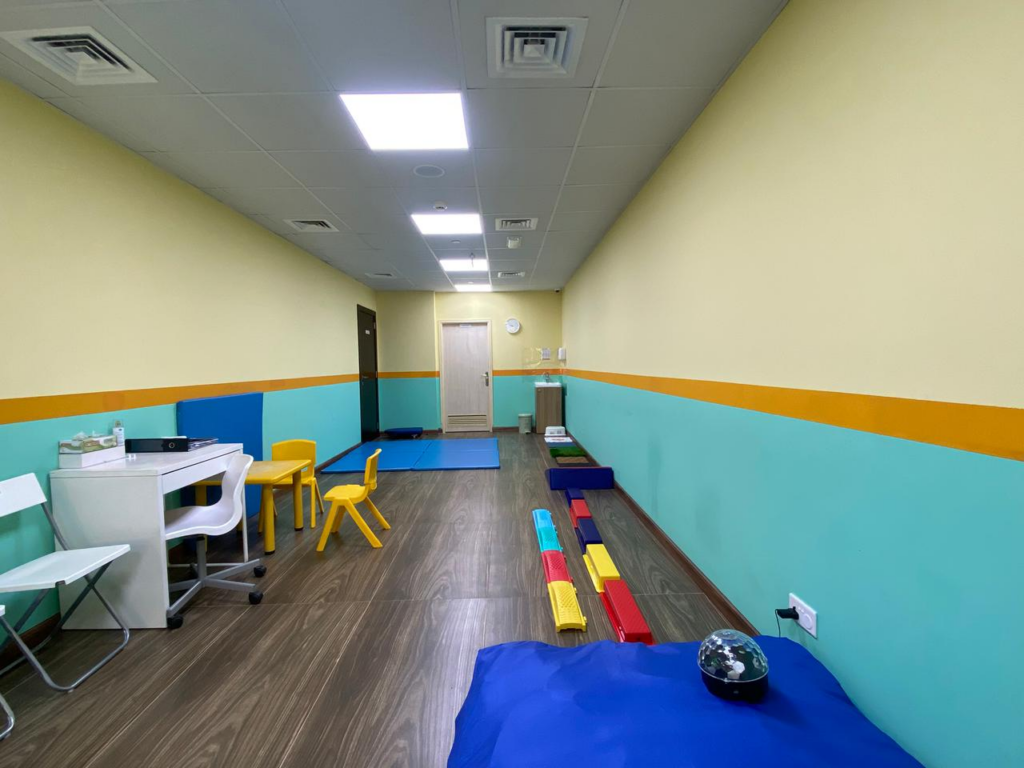
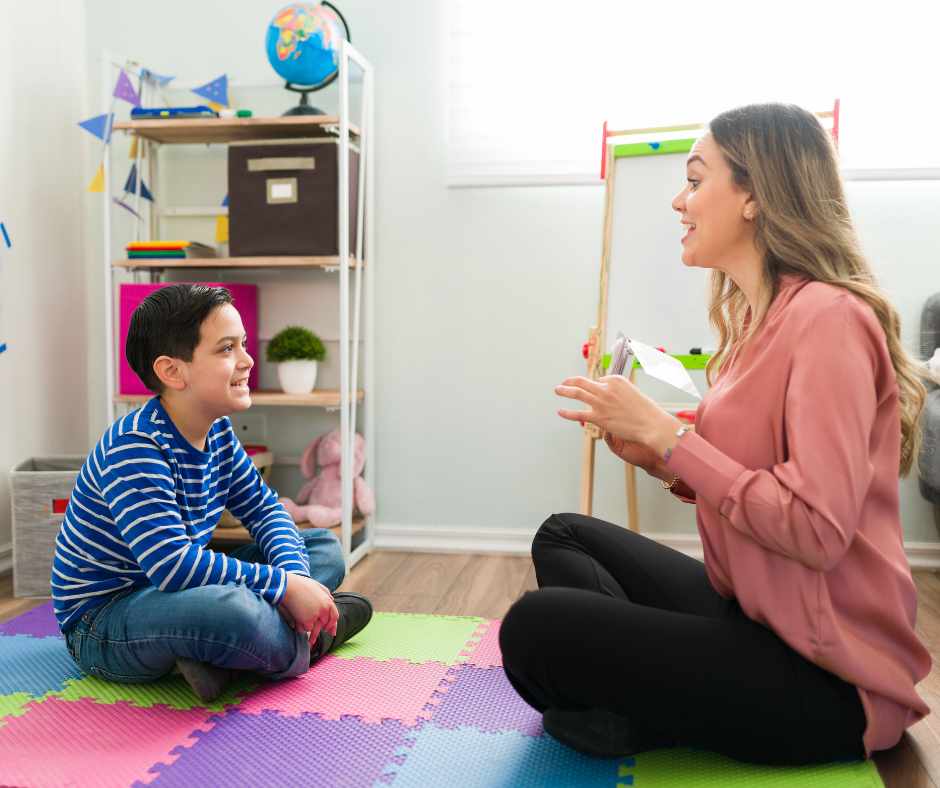
At Esperanza Speech and Occupational Therapy Centre in Dubai, we take a family-centred, play-based approach to supporting children’s development. That means your child is never just a patient they’re a whole person, and you as their parent are a core part of the team.
Here’s what working with Esperanza looks like in practice:
| Service | What It Involves |
| Free Initial Consultation | A relaxed, play-based session where our therapist observes your child’s communication, asks you about your observations at home, and begins building a clear picture of where your child is and what they need. |
| Speech & Language Therapy | Individualised therapy sessions using play, storytelling, and activities your child loves. Therapy goals are set collaboratively with you and reviewed regularly. |
| Occupational Therapy | For children whose sensory needs, attention, or motor skills are affecting their development and communication. Often delivered alongside speech therapy for a whole-child approach. |
| Parent Coaching | We don’t just work with your child in a clinic room we work with you. Parent coaching sessions give you practical strategies to carry the work of therapy into your home and daily routine. |
| Explore our Occupational Therapy services here: Click Here |
A Note on Growing Up in Dubai Because Context Matters
Raising children in Dubai comes with a unique set of pressures and joys that don’t always fit neatly into the developmental frameworks written in other countries. Many of the families we see at Esperanza are living this every day.
Many families in Karama and Oud Metha are raising children in rich multilingual environments Arabic at home, English at nursery, Hindi with grandparents on weekend video calls. That’s not a deficit. It’s a cognitive gift. But it can look confusing on a standard speech milestone checklist.
Parents working around Trade Centre and Sheikh Zayed Road often tell us they’re trying to make the most of limited time with their children they want every interaction to count, and they want to know they’re doing the right things. The strategies in this guide, and our parent coaching programme, are built exactly for those families.
In Downtown Dubai and Al Jaddaf, we see increasing awareness of school readiness nurseries are asking more of children earlier, and parents are understandably anxious to make sure their child is keeping pace. If your child’s Key Stage 1 place at a local school feels closer than it should, and their communication is a source of worry, a proactive assessment is a confident, calm response.
And in Al Hudaiba and across central Dubai, we know that access to good, trustworthy information in English matters to expat families who are still learning which services to trust in a new city. We hope this guide is a useful start.
You Don’t Have to Figure This Out Alone
| You’re not alone in wondering this and wondering is the first step.The parents who visit Esperanza are not the parents who panicked. They’re the parents who paid attention early, asked questions, and took one simple step forward. That’s exactly the right thing to do. |
A simple first step could be reading through the milestone checklist above and writing down what you’re seeing at home. What words does your child have? What do they understand? How do they communicate when words aren’t working? Bringing that picture to a therapist even informally is genuinely useful.
| Ready to take that next step? We make it easy.You can book an initial consultation with our team at Esperanza a relaxed, no-pressure conversation where we listen first, and answer your questions honestly. There’s no commitment required. Many families tell us that clarity alone was the most valuable thing they got from that first session. |
| Book an initial consultation – Click Here | WhatsApp: +971 55 524 1094 |